Choosing the 2026 best Aluminum Casement Window requires more than comparing frame colors and showroom prices. A dependable choice must balance thermal performance, ventilation, weather resistance, security, and long-term maintenance. The U.S. Department of Energy reports that windows can account for 25–30% of residential heating and cooling energy use. That figure makes glazing and installation details highly important, especially in homes with strong sunlight or seasonal temperature changes.
Performance needs evidence. The National Fenestration Rating Council (NFRC) label reports U-factor, solar heat gain coefficient, visible transmittance, and air leakage. These values help buyers compare products under consistent conditions. ENERGY STAR guidance also emphasizes climate-specific efficiency, rather than one universal window specification. In coastal or storm-prone areas, buyers should review tested design pressure, water penetration, and impact requirements. FGIA/AAMA standards provide useful benchmarks for these evaluations.
Real homes reveal the differences. A well-installed casement window can direct fresh air through a narrow opening while compressing its seal tightly when closed. That practical advantage may support comfort and reduce unwanted drafts. However, aluminum conducts heat more readily than many insulated materials. Thermal breaks, low-emissivity glass, spacer quality, and frame design therefore deserve close attention.
No profile wins everywhere. A premium window can still perform poorly after careless installation. Buyers should request certified ratings, warranty terms, replacement-part availability, and installation references. This guide examines the best 2026 Aluminum Casement Window types through those measurable criteria. Some recommendations remain debatable. That is intentional, because climate, budget, architecture, and installer skill can change the final answer.
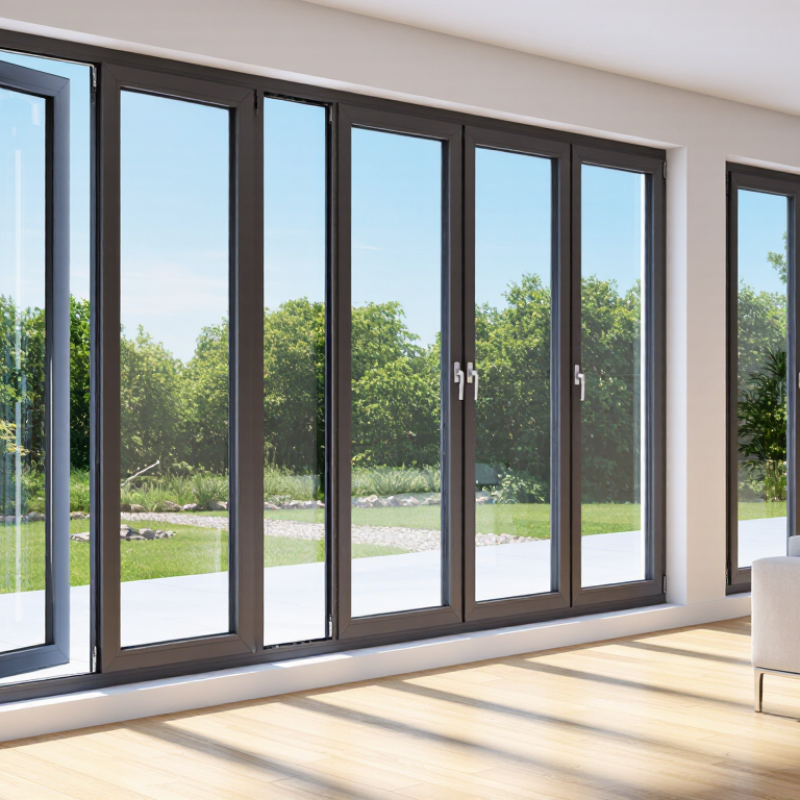
Aluminum casement windows are side-hinged units that open outward with a crank or handle. Their sash usually creates a wide opening for ventilation and clear outdoor views. Aluminum frames provide strength with relatively slim sightlines. That matters in rooms where daylight is important.
A quality frame should include a thermal break, which reduces heat transfer through the metal. Double or triple glazing can improve insulation, depending on climate and building design. Low-emissivity glass may limit heat gain, but the correct coating depends on window direction.
Compression seals help block drafts, while integrated drainage channels guide rainwater away. Check the drainage paths carefully. Poor installation can weaken excellent window features.
Look for corrosion-resistant finishes, especially in humid or coastal areas. Powder-coated or anodized surfaces still need gentle cleaning and periodic inspection. The hinges, locking points, and crank mechanism should feel smooth, without excessive resistance. A tight multi-point lock can improve security and air sealing.
However, more hardware does not always mean better performance. Ask for tested air leakage, water resistance, and thermal data rather than relying on appearance.
Installation quality remains a common weak point. Even a well-designed casement window may leak if the opening is poorly prepared or the frame is not square.
My practical caution is simple: compare the full system, including glass, seals, hardware, drainage, and installation—not the aluminum frame alone.

Aluminum casement windows in 2026 are available in several practical configurations. Side-hung casement windows remain popular for bedrooms, studies, and living rooms. Their hinges sit on one vertical edge, allowing the sash to open outward like a door. They provide strong ventilation and direct airflow toward the room. Narrow frames also increase the visible glass area.
Top-hung awning windows use hinges along the upper edge. The sash opens outward from the bottom, helping keep light rain outside during ventilation. They suit kitchens, bathrooms, and rooms needing privacy. French casement windows use two side-hinged sashes without a central post. This creates a wider opening and improves access, although the larger opening may require stronger hardware and careful alignment. Some projects combine fixed glass with one operable sash. This design adds daylight while controlling cost and airflow.
A reliable choice depends on more than appearance. Look for thermally broken aluminum frames, properly sealed corners, and corrosion-resistant hardware, especially near coastal areas. On site, installers should check wall alignment before ordering. Even a small error can cause rubbing, air leakage, or difficult locking. Glass thickness, opening direction, and emergency access also deserve attention. There is no universal best type. A large French opening may feel impressive, but it can be less practical in a narrow room. That detail is easy to overlook.
For 2026 buyers, aluminum casement windows should balance frame strength with thermal control.
Choose thermally broken frames with polyamide barriers, especially in homes facing strong sunlight or winter winds. Slim profiles provide more glass and daylight, while deeper frames improve stiffness for larger openings.
The U.S. Department of Energy estimates that windows can account for about 25% of household heating and cooling energy use. Frame design deserves serious attention.
Glass selection changes comfort quickly. Low-emissivity double glazing suits moderate climates, while triple glazing can reduce interior temperature swings in colder regions.
Use laminated glass near streets or bedrooms, where noise and impact resistance matter. NFRC ratings report U-factor, solar heat gain coefficient, visible transmittance, and air leakage. Read every value.
A low U-factor is not automatically ideal; excessive solar gain can overheat a south-facing room. ENERGY STAR Version 7.0 criteria also vary by climate zone, so one specification cannot fit every project.
Opening configuration affects daily use.
A single casement gives a clean sightline and strong ventilation path. French casements widen the opening but require more wall clearance. Awning configurations work well above counters because they ventilate during light rain.
Consider a limiter in children’s rooms and a multipoint lock for tall sashes. Field installation remains a weak point. Even excellent glass performs poorly when the sill is uneven or the perimeter seal is incomplete.
I would verify drainage, hardware alignment, and air leakage before accepting the installation.
Energy Efficiency, Security, Durability, and Maintenance
Modern aluminum casement windows suit rooms that need wide ventilation and clear outdoor views. Thermal-break frames reduce heat transfer through the metal. Pair them with double or triple glazing for better indoor comfort. Low-emissivity glass can limit winter heat loss and summer solar gain. However, glass performance depends on the frame, seals, installation, and local climate. A high-performance window can still disappoint when fitted poorly.
Security deserves equal attention. Choose reinforced hinges, strong locking points, and durable handles with smooth operation. Casement windows usually close firmly against their seals, making gaps easier to control. I once preferred the thinnest frame available, but that assumption was too simple. Frame strength, hardware quality, and correct anchoring matter more than appearance alone. Powder-coated finishes resist weathering, though scratches and neglected drainage channels still need attention.
Tips: Ask for tested thermal and air-leakage data, not vague efficiency claims. Check the drainage openings after heavy rain. Clean the tracks, hinges, and seals twice a year with mild soap and water. Avoid abrasive tools. No window stays maintenance-free. In coastal areas, inspect fasteners and finishes more often because salt can accelerate corrosion. Leave room for honest comparison, since the cheapest option may create higher heating, cooling, or repair costs later.
2026 Best Aluminum Casement Window Types for Buyers
Choosing the best aluminum casement window starts with your room, not its appearance. A thermally broken frame suits heated homes and changing climates. It reduces heat transfer through the metal and improves indoor comfort. Standard aluminum frames may cost less, but they can feel cold near the edges. Check the window’s U-value, air leakage rating, and water resistance rating before comparing prices. These figures offer more useful evidence than showroom language.
Glass selection matters just as much. Low-emissivity double glazing works well in many homes, while triple glazing may help in colder regions. Consider the window’s direction, too. South- or west-facing glass can create strong afternoon heat. Casement windows open outward, so measure nearby walls, walkways, curtains, and screens carefully. Quality hinges and multi-point locks should operate smoothly without scraping or excessive force. No window choice is perfect.
Tips: Ask for a written performance report and installation details. Confirm the frame includes a reliable thermal break. Request samples in daylight, because finishes often look different indoors. Choose corrosion-resistant hardware for coastal or humid areas. A qualified installer should check the opening, flashing, drainage, and sealant. Even an excellent window can fail through poor installation. I would also allow a small budget margin; renovation measurements are sometimes less accurate than expected. Check local building requirements before ordering.